The Laorenza Lab uses synthetic inorganic chemistry to create, control, and measure stimuli-responsive materials. Our work is unified by imbuing extended systems with molecular-level design to couple structure, dynamics, and function in the development of new platforms for quantum information science, multimodal sensing, and electrical control of spin. By bridging synthetic chemistry with materials physics, our goal is to establish design principles for adaptive materials that convert subtle environmental inputs into measurable and controllable outputs.
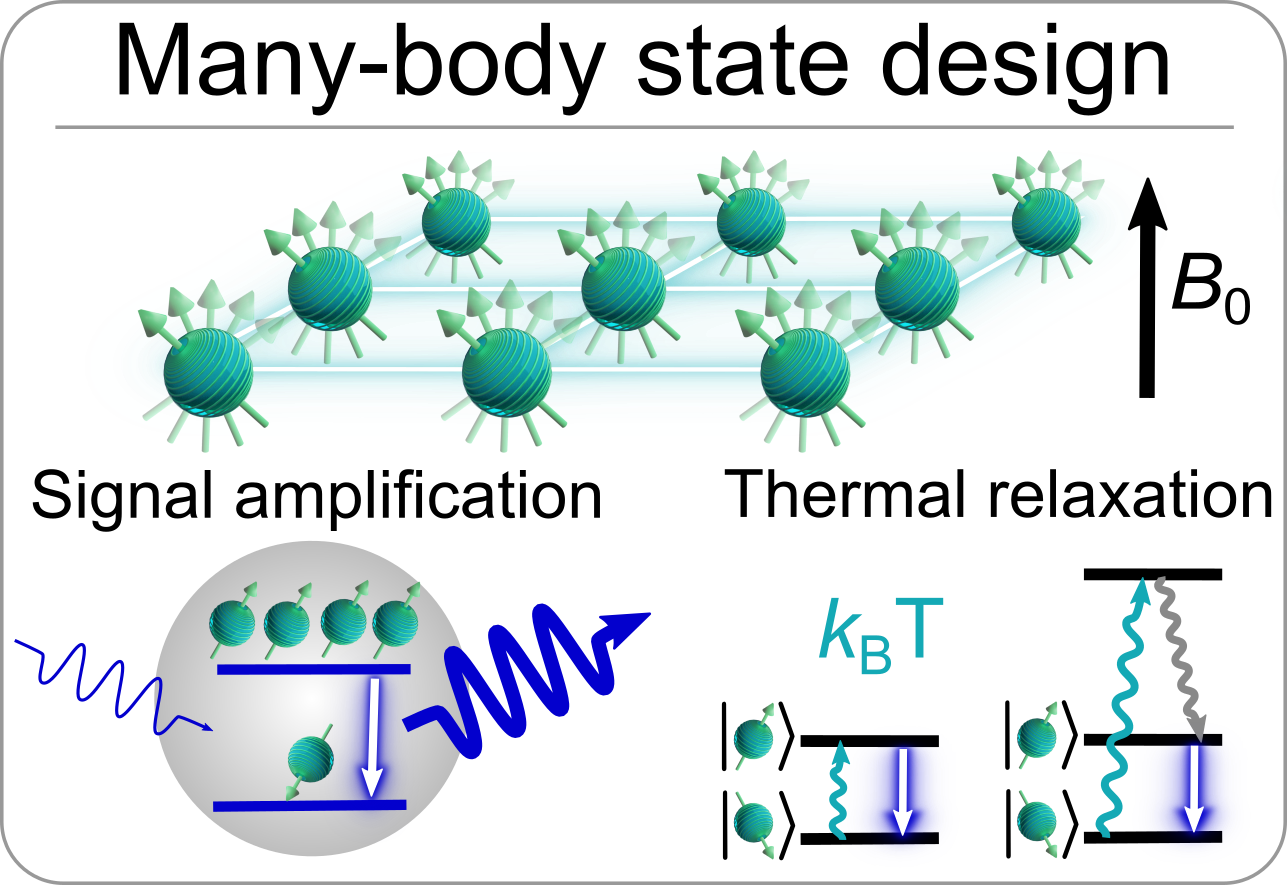
Designing many-body states for quantum technologies.
Entangling quantum states is critical for quantum sensing and simulation, but typically requires well-regulated conditions, limiting practical operation in real-world environments. We aim to create material platforms that host coherent, tailorable many-body states outside of cryogenic temperatures through co-design of the quantum systems and their material hosts.
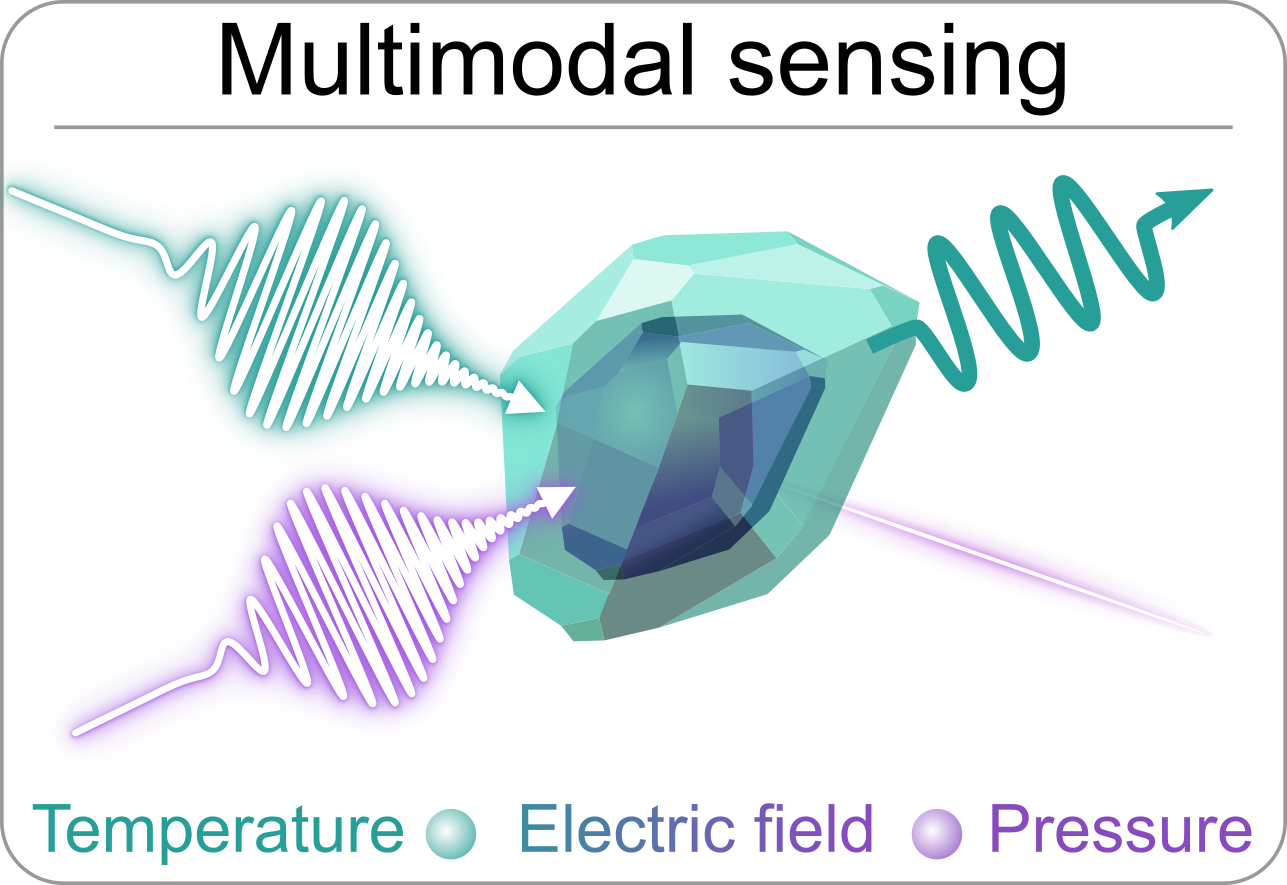
Multimodal sensing platforms with phase-change materials.
Simultaneous detection of orthogonal stimuli is essential to uncover molecular mechanisms in complex environments. We will develop multi-component phase-change materials, wherein individual components independently sense and readout distinct stimuli, enabling unprecedented insight into correlated biological or material processes that underpin function.
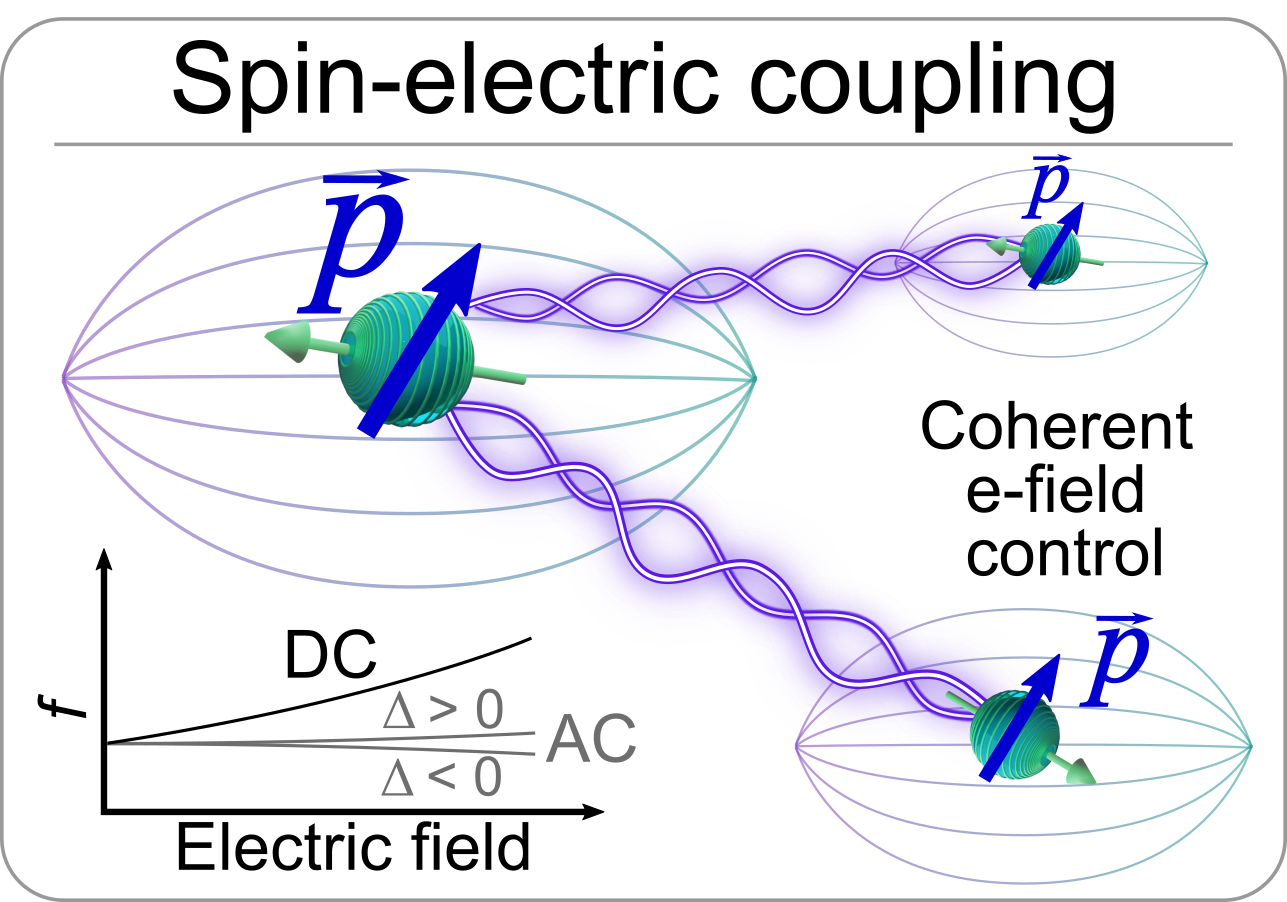
Electrical control of spins through material design.
Electrical control over spins would enable fast logic operations with localized fields to build scalable quantum bit arrays. We will use crystallographic symmetry to confer spins with larger intrinsic sensitivity to electric fields towards the development of fast, switchable, and local electrical control over molecularly defined systems.